The Rise of The Analog
I keep seeing the same idea pop up lately.
In articles.
In designer circles.
In wellness spaces.
In conversations with friends who are very clearly over it.
There’s a quiet shift happening.
A pull.
A return.
People are calling it the rise of the analog.
Not in a dramatic, throw-your-phone-into-the-ocean kind of way—but in a much more subtle, human way.
A we’re craving balance kind of way.
A we don’t want to live inside our screens all the time kind of way.
And maybe this hits a little differently for me because I’m a 90s kid.
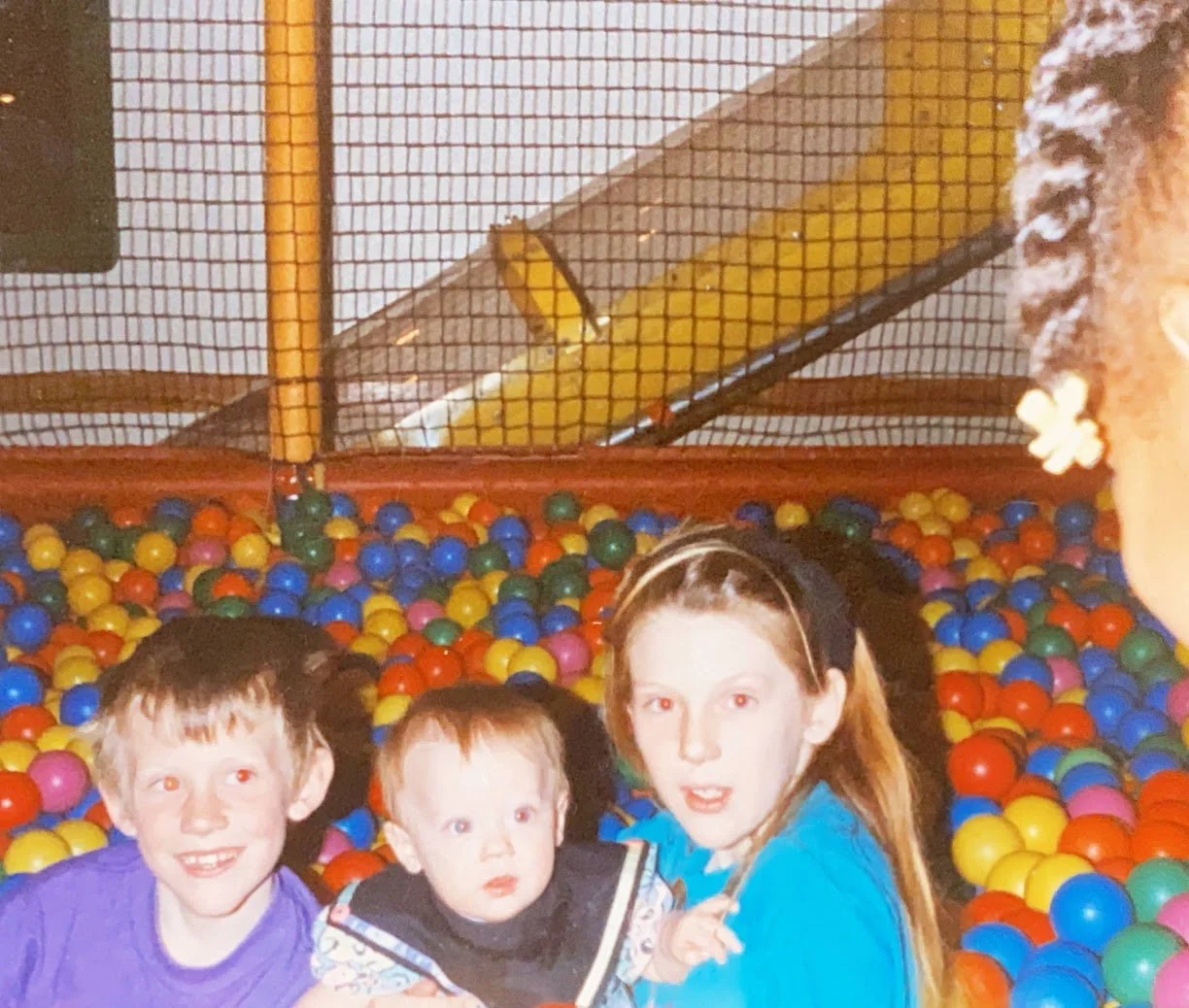
That’s me (the wee 90s baby)
I remember what life felt like before everything lived inside a screen.
Before phones were extensions of our hands.
Before being “reachable” was the default.
Before our days were optimized, tracked, and interrupted.
We left the house without GPS. Remember MapQuest?
We made plans and actually kept them.
We got bored—and had to figure out what to do with that boredom.
We were more in our bodies. More in our neighborhoods. More present.
Life was slower. Messier. Less optimized.
But it was also more grounded.
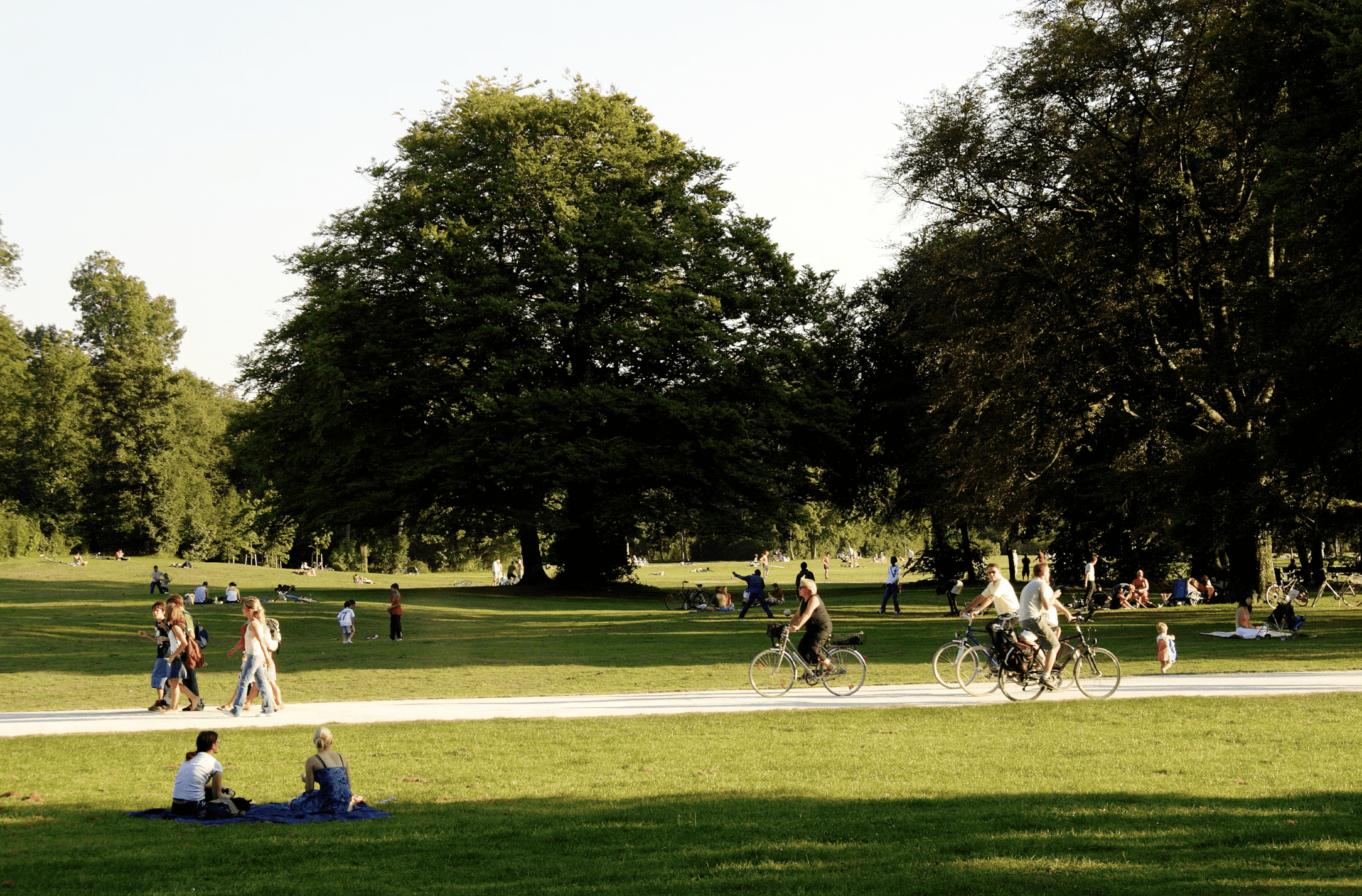
And lately, it feels like people are trying to find their way back to some version of that feeling.
Not the past exactly—but the feeling of being more human again.
I’m hearing it constantly—both online and in real life:
“I want to get out of the house more.”
“I’m tired of being on my phone.”
“I miss doing things with actual people.”
There’s a noticeable shift in priorities.
Friends are planning events again.
People are signing up for classes.
Communities are forming around shared experiences.
Businesses are intentionally choosing print as a way to stand out.
And wellness spaces are reframing analog as something grounding, something connective—something that pulls us back into ourselves.
Because for the last decade, we’ve been optimizing everything for digital consumption.
Faster.
Louder.
More addictive.
More clickable.
We’ve built systems that are incredibly efficient—but not always incredibly healthy.
And now our nervous systems are zigging out.
They’re tired.
And in response, people are reaching back toward what feels steady.
Paper.
Ink.
Physical spaces.
Shared experiences.
Things you can touch.
Things you can sit inside of.
Things that don’t demand constant attention.
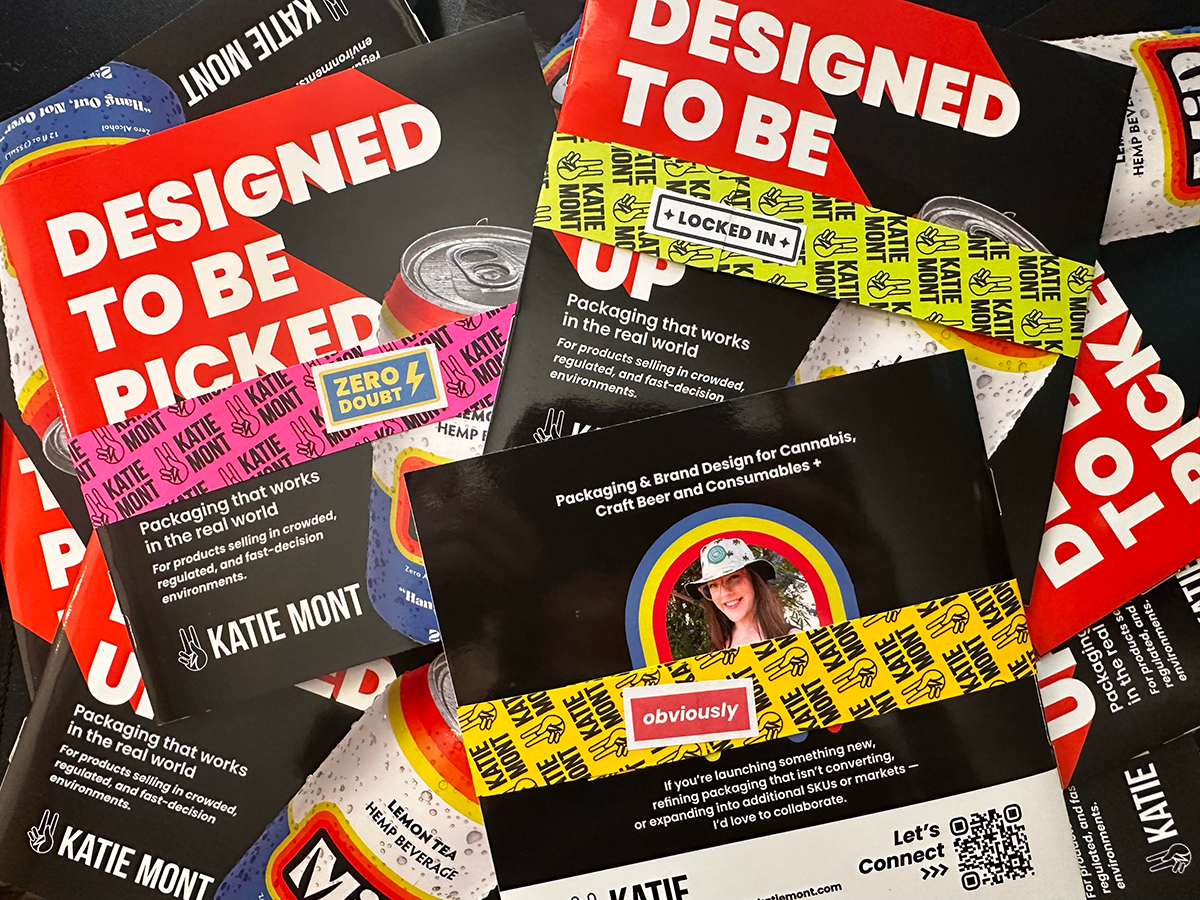
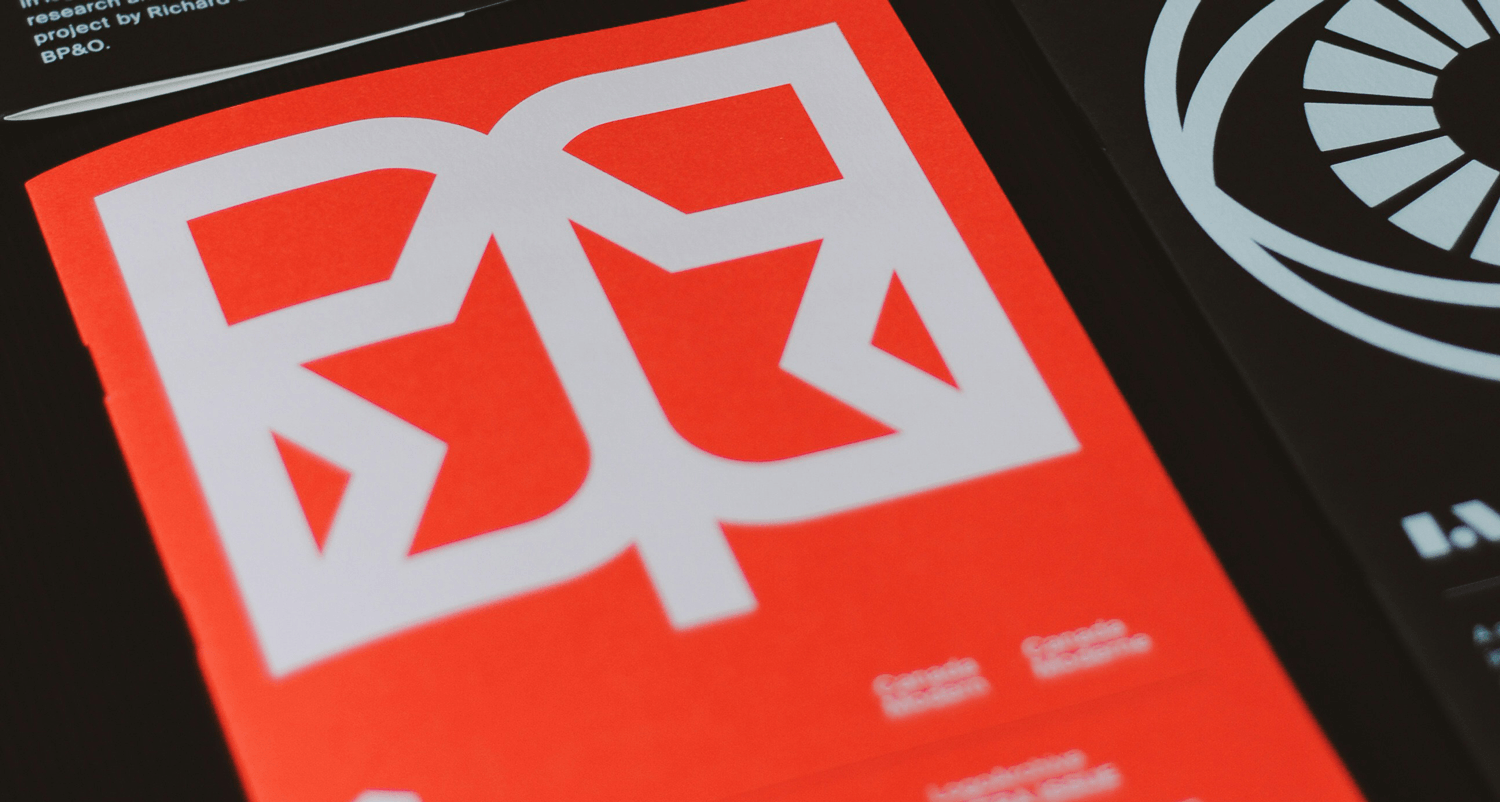
Print Media Is Back
Print is finding its way back into business in a very real, very intentional way.
Not as a throwback.
But as a strategy.
Here’s how I’ve been seeing print show up and actually make an impact:
Postcards & Direct Mail
A simple, well-designed piece can cut through digital noise and land directly in someone’s hands—no algorithm required.
Think intentional mail to a specific audience, not spam.
There’s something powerful about holding a brand in your hands.
Event Materials
Printed programs, menus, schedules, signage, or takeaways elevate in-person experiences and make events feel cohesive and considered.
The difference between “just an event” and something that feels curated often comes down to these details.
And when materials are high-quality or actually useful? People keep them.
Zines, Booklets & Mini Guides
Long-form, tactile content invites people to slow down and actually spend time with your ideas—not skim them.
If your booklet can win a permanent spot on someone’s desk, that’s long-term marketing.
That’s not content. That’s presence.
Packaging Inserts & Thank-You Cards
Small printed moments after a purchase build loyalty and connection beyond the transaction.
This is where brand becomes human.
A handwritten note.
A thoughtful insert.
A moment that says: we see you.
Posters & Flyers
When designed intentionally, they become visual anchors in physical spaces—not disposable paper.
The goal isn’t just to inform—it’s to add value.
If a flyer teaches something, inspires something, or adds joy… it sticks around longer.
Business Cards (That People Keep)
Bold design, interesting formats, and thoughtful messaging turn a card into a keepsake instead of a formality.
What business cards have you kept over the years—and why?
It’s never just information. It’s feeling.
Limited-Run Print Pieces
Scarcity adds value.
Smaller runs feel personal, curated, and worth holding onto.
Think Supreme energy—but applied thoughtfully to your own brand.
Hybrid Print + Digital Touchpoints
QR codes, URLs, or scannable elements can connect physical pieces to deeper online experiences—blending analog presence with digital storytelling.
Print + digital doesn’t have to be separate.
They can work together.
Print can invite someone in.
Digital can take them deeper.
Why This Matters
Print isn’t resurfacing because it’s nostalgic—it’s resurfacing because it offers relief.
It doesn’t compete for attention in the same way digital does.
It doesn’t interrupt you.
It doesn’t demand immediate action.
It just… exists.
And in a world where…
Netflix is openly talking about dumbing down movies because they assume we’re watching with our phones in hand…
Social media feeds are filled with more ads than people we actually care about…
Scrolling has become so automatic that not scrolling feels unnatural…
No wonder we’re craving something different.
Something slower.
Something quieter.
Something real.
There’s a desire underneath all of this to feel like ourselves again.
To get lost.
To be unreachable.
To not be constantly “on.”
To feel a little bit of that mystery that used to exist when life wasn’t always documented, shared, and analyzed.
And maybe the goal isn’t to go back to the past exactly.
It’s to take what we loved about it—and bring it forward with us.
Less scrolling.
More presence.
More community you can actually touch.
Ink on paper.
People in rooms.
Connection that doesn’t require Wi-Fi.
Print works best when it’s intentional, tactile, and human.
Less about shouting.
More about presence.
And honestly?
That feels like the direction we’re all quietly moving toward.
— Katie